בס”ד
때로는 우리는 무언가를 몹시 원할 때가 있다.
어쩌면 너무 과한 것일지도 몰라요.
토라에서 우리는 한 약속에 대해 배웁니다.
약속이란 “나는 이것을 정말로 할 것이다” 또는 “나는 이것을 하지 않을 것이다”라고 말하는 것입니다.”
때때로 사람들은 스스로를 돕겠다고 약속합니다.
예를 들어:
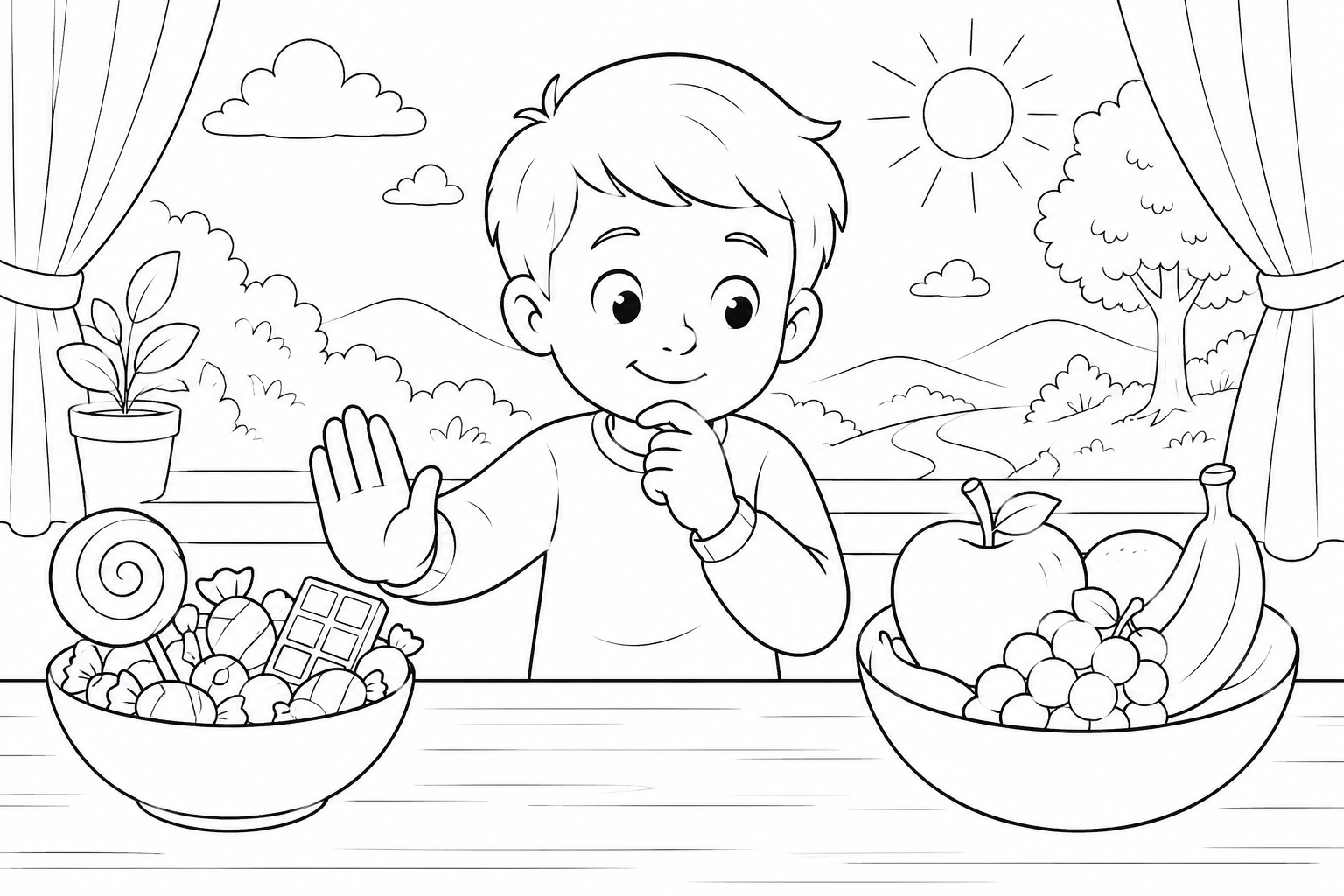
데이비드는 사탕을 많이 먹어요.
어머니는 그에게 너무 많이 먹지 말라고 말씀하셨다.
하지만 그는 매일 더 많은 사탕을 가져갑니다.
그러자 데이비드가 말합니다.,
“이번 주에는 사탕을 먹지 않을 거예요.”
그 약속은 그를 더 강하게 만들어줍니다.
그는 “아니오”라고 말하는 법을 배웁니다.”
하지만 약속을 하는 것 자체가 가장 중요한 것은 아닙니다.
가장 좋은 방법은 스스로 좋은 선택을 하는 법을 배우는 것입니다.
그렇다면 더 이상 특별한 약속은 필요하지 않습니다.
하나님은 우리가 세상의 좋은 것들을 올바른 방식으로 사용하기를 원하십니다.
우리는 좋은 것들을 즐길 수 있지만, 우리의 선택에 대한 통제권을 유지해야 합니다.
그리고 우리가 약속을 했다면, 그 약속을 지켜야 합니다.
출처: 민수기 30:3. 민수기 30:3에 대한 라시. Likutei Sichos, 13권, p. 107. Rabbi Yonatan Steif의 Sefer Mitzvot Hashem, p. 187 & p. 55. Rabbi Moshe Wiener의 Sheva Mitzvot Hashem, p. 232, 히브리어판. 전도서 5:4-5.
더 생각해 볼 만한 질문을 원하시면, 모세 번스타인 랍비의 다른 블로그도 확인해 보세요.
© 저작권, 모든 권리 보유. 이 글이 마음에 드셨다면, 다른 사람들과 공유해 주시면 감사하겠습니다.
저희 블로그에는 저작권이 있는 자료를 포함하는 텍스트/인용문/참고 자료/링크가 포함될 수 있습니다. 메콘-맘레.org, 아이쉬닷컴, 세파리아닷컴, 차바드닷컴, 그리고/또는 AskNoah.org, 저희는 해당 업체들의 정책에 따라 이를 사용합니다.